Communicable Disease Prevention, Diagnosis and Management
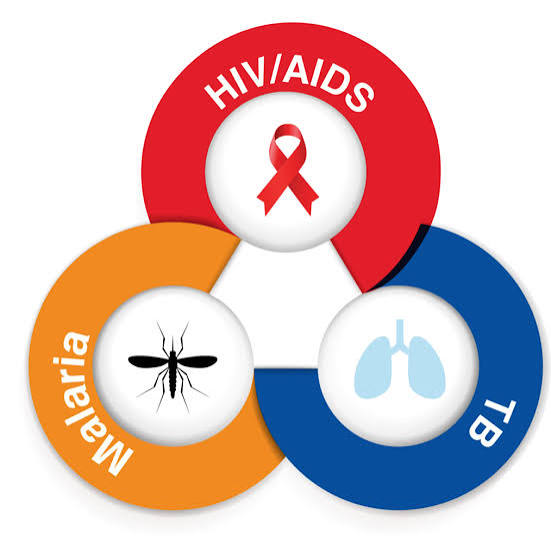
The Open Health Foundation aims to reduce preventable illness and deaths through integrated prevention, early diagnosis, effective treatment, and community-based healthcare services. The programme focuses on three priority areas: HIV/AIDS and tuberculosis (TB) care, malaria prevention and control, and routine childhood immunisation. Through strategic partnerships with government health agencies, healthcare facilities, development partners, and community organisations, the Foundation seeks to strengthen health systems and expand access to essential services, particularly for vulnerable and underserved populations. 1. Integrated HIV/AIDS and Tuberculosis (TB) Care: The Foundation seeks to improve access to HIV and TB prevention, testing, diagnosis, treatment, and follow-up through community outreach and facility-based services. The programme will prioritise early case identification, confidential care, treatment adherence, and the reduction of stigma associated with both diseases. Priority interventions include: Community-based HIV screening: Promoting accessible HIV testing, counselling, and linkage to treatment for individuals who test positive. Pre-exposure prophylaxis (PrEP): Improving awareness, access, and follow-up for eligible HIV-negative individuals who may benefit from this preventive intervention. TB case-finding: Supporting community screening, diagnostic referrals, and early identification of presumptive TB cases. Drug-resistant TB detection: Facilitating access to appropriate molecular diagnostic testing and referral to designated treatment centres. Integrated clinical management: Strengthening TB screening among people living with HIV and HIV testing among people diagnosed with TB, alongside coordinated treatment and monitoring. Treatment adherence and community education: Supporting patient follow-up, treatment literacy, and stigma-reduction campaigns. Expected outcomes: Increased testing uptake, earlier diagnosis, improved treatment adherence, stronger referral systems, and reduced HIV- and TB-related morbidity and mortality. 2. Malaria Vector Control and Chemoprevention: The Foundation aims to reduce malaria transmission and complications through preventive interventions, prompt diagnosis, appropriate treatment, and community mobilisation. Particular attention will be given to children under five, pregnant women, and underserved households. Priority interventions include: Seasonal Malaria Chemoprevention (SMC): Supporting government-approved campaigns that provide eligible children with recommended preventive medicines in accordance with national guidelines. Rapid diagnostic testing (RDTs): Expanding access to malaria testing through trained healthcare workers and authorised community providers to promote accurate diagnosis and appropriate treatment. Insecticide-treated bed nets: Supporting distribution and community education on the correct and consistent use of mosquito nets. Vector control: Promoting environmental management and locally appropriate mosquito-control measures in collaboration with relevant authorities. Health education and referral: Raising awareness about malaria prevention, early symptoms, appropriate treatment, and urgent referral for severe illness. Expected outcomes: Improved preventive coverage, increased access to prompt diagnosis, appropriate treatment, and reduced malaria-related complications and deaths. 3. Routine Childhood Immunisation: The Foundation seeks to improve childhood immunisation coverage by addressing missed vaccinations, limited awareness, and barriers to accessing primary healthcare services. The programme will prioritise zero-dose and under-immunised children in underserved communities. Priority interventions include: Cold-chain strengthening: Supporting safe vaccine storage, transportation, temperature monitoring, and equipment maintenance in line with national standards. Mobile vaccination teams: Supporting outreach services to reach remote and hard-to-reach communities. Community mobilisation: Educating caregivers on vaccine benefits, schedules, and the importance of completing recommended doses. Defaulter tracking: Identifying children who miss scheduled vaccinations and linking them to catch-up services. Integrated child health services: Linking immunisation with maternal care, growth monitoring, nutrition services, and other appropriate interventions. Monitoring and evaluation: Tracking vaccination coverage, missed children, and outreach performance to improve service delivery. Expected outcomes: Increased immunisation coverage, fewer zero-dose children, improved completion of vaccination schedules, and reduced vaccine-preventable diseases.
Want to support this programme?
Join us in spreading care, kindness, and hope through our programs.