Our Programmes
Programs Guided by Empathy and Respect
Our programs are designed to strengthen communities, support caregivers, promote mental well-being, and advance inclusive, compassionate healthcare.
Bringing Quality Healthcare Within Everyone’s Reach
Building and operating 100% free physical hospital facilities focusing on Maternal, Women, Adolescent, Child Health, and NCDs (MWACH-NCD)
Access to quality healthcare remains a significant challenge for millions of Nigerians, particularly low-income households, vulnerable populations, and communities where the cost of medical services creates barriers to timely diagnosis and treatment. For many families, an illness is not only a health concern but also a financial crisis. The cost of consultations, diagnostic investigations, medications, hospital admissions, and specialist care can force people to delay treatment, abandon prescriptions, or seek help only when a condition has become life-threatening. Maternal and child health challenges, preventable childhood illnesses, complications during pregnancy and childbirth, and the growing burden of non-communicable diseases such as hypertension, diabetes, asthma, and cancer further highlight the need for accessible, reliable, and compassionate healthcare services. For Open Health Foundation, direct healthcare delivery is a practical commitment to changing this reality. Through the establishment and operation of 100% free physical hospital facilities, the Foundation seeks to eliminate financial barriers that prevent people from receiving the care they need, when they need it. The approach places healthcare delivery at the centre of its mission, moving beyond advocacy and awareness to provide tangible medical services that directly improve and save lives.
Communicable Disease Prevention, Diagnosis and Management
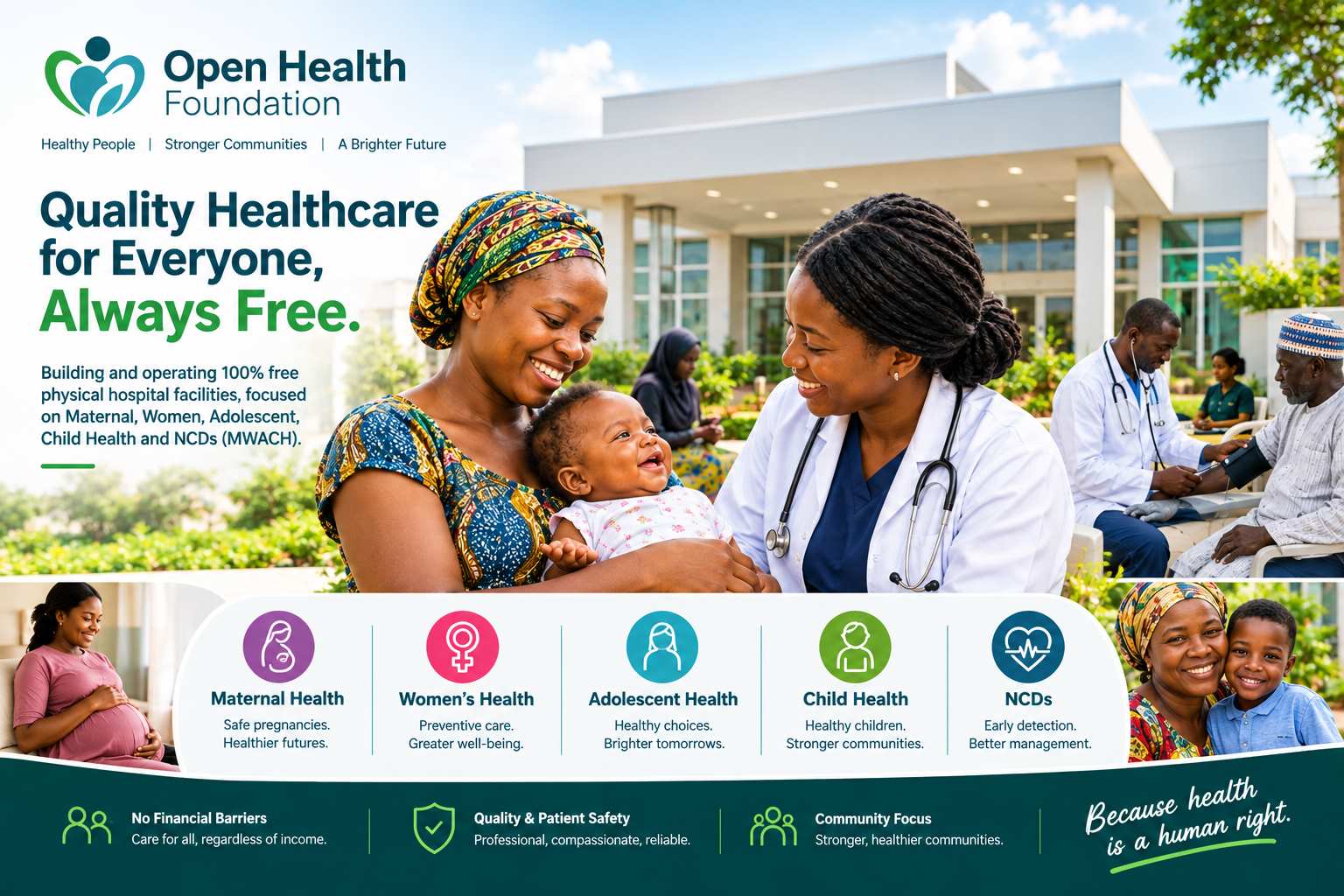
The Open Health Foundation aims to reduce preventable illness and deaths through integrated prevention, early diagnosis, effective treatment, and community-based healthcare services. The programme focuses on three priority areas: HIV/AIDS and tuberculosis (TB) care, malaria prevention and control, and routine childhood immunisation. Through strategic partnerships with government health agencies, healthcare facilities, development partners, and community organisations, the Foundation seeks to strengthen health systems and expand access to essential services, particularly for vulnerable and underserved populations. 1. Integrated HIV/AIDS and Tuberculosis (TB) Care: The Foundation seeks to improve access to HIV and TB prevention, testing, diagnosis, treatment, and follow-up through community outreach and facility-based services. The programme will prioritise early case identification, confidential care, treatment adherence, and the reduction of stigma associated with both diseases. Priority interventions include: Community-based HIV screening: Promoting accessible HIV testing, counselling, and linkage to treatment for individuals who test positive. Pre-exposure prophylaxis (PrEP): Improving awareness, access, and follow-up for eligible HIV-negative individuals who may benefit from this preventive intervention. TB case-finding: Supporting community screening, diagnostic referrals, and early identification of presumptive TB cases. Drug-resistant TB detection: Facilitating access to appropriate molecular diagnostic testing and referral to designated treatment centres. Integrated clinical management: Strengthening TB screening among people living with HIV and HIV testing among people diagnosed with TB, alongside coordinated treatment and monitoring. Treatment adherence and community education: Supporting patient follow-up, treatment literacy, and stigma-reduction campaigns. Expected outcomes: Increased testing uptake, earlier diagnosis, improved treatment adherence, stronger referral systems, and reduced HIV- and TB-related morbidity and mortality. 2. Malaria Vector Control and Chemoprevention: The Foundation aims to reduce malaria transmission and complications through preventive interventions, prompt diagnosis, appropriate treatment, and community mobilisation. Particular attention will be given to children under five, pregnant women, and underserved households. Priority interventions include: Seasonal Malaria Chemoprevention (SMC): Supporting government-approved campaigns that provide eligible children with recommended preventive medicines in accordance with national guidelines. Rapid diagnostic testing (RDTs): Expanding access to malaria testing through trained healthcare workers and authorised community providers to promote accurate diagnosis and appropriate treatment. Insecticide-treated bed nets: Supporting distribution and community education on the correct and consistent use of mosquito nets. Vector control: Promoting environmental management and locally appropriate mosquito-control measures in collaboration with relevant authorities. Health education and referral: Raising awareness about malaria prevention, early symptoms, appropriate treatment, and urgent referral for severe illness. Expected outcomes: Improved preventive coverage, increased access to prompt diagnosis, appropriate treatment, and reduced malaria-related complications and deaths. 3. Routine Childhood Immunisation: The Foundation seeks to improve childhood immunisation coverage by addressing missed vaccinations, limited awareness, and barriers to accessing primary healthcare services. The programme will prioritise zero-dose and under-immunised children in underserved communities. Priority interventions include: Cold-chain strengthening: Supporting safe vaccine storage, transportation, temperature monitoring, and equipment maintenance in line with national standards. Mobile vaccination teams: Supporting outreach services to reach remote and hard-to-reach communities. Community mobilisation: Educating caregivers on vaccine benefits, schedules, and the importance of completing recommended doses. Defaulter tracking: Identifying children who miss scheduled vaccinations and linking them to catch-up services. Integrated child health services: Linking immunisation with maternal care, growth monitoring, nutrition services, and other appropriate interventions. Monitoring and evaluation: Tracking vaccination coverage, missed children, and outreach performance to improve service delivery. Expected outcomes: Increased immunisation coverage, fewer zero-dose children, improved completion of vaccination schedules, and reduced vaccine-preventable diseases.
Epidemic Surveillance, Biosecurity & Climate Resilience
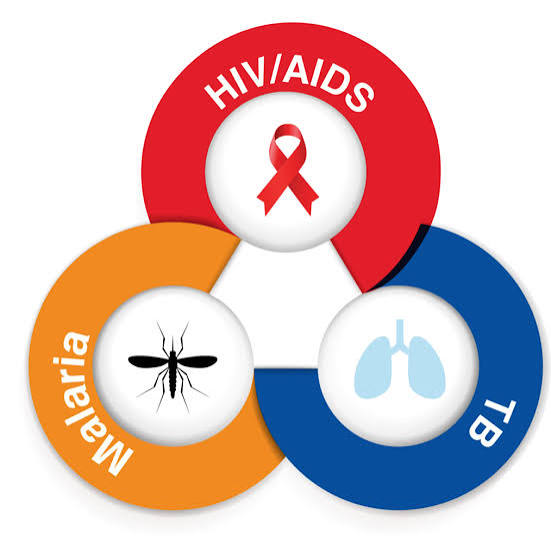
The Open Health Foundation aims to strengthen early disease detection, outbreak preparedness, and community resilience by improving epidemic surveillance, supporting biosecurity measures, and developing climate-responsive healthcare strategies. The programme focuses on identifying emerging public health threats early, strengthening frontline response systems, and protecting vulnerable populations from the growing health risks associated with infectious disease outbreaks, environmental changes, and climate-related emergencies. 1. Community Sentinel Surveillance The Foundation seeks to strengthen community-level disease surveillance by equipping frontline health workers, community volunteers, and healthcare facilities with the knowledge and tools to identify, document, and promptly report unusual disease patterns and potential outbreaks. Priority interventions include: • Frontline health worker training: Building capacity in early warning signs, case identification, basic data collection, and timely reporting of priority diseases. • Community-based disease monitoring: Establishing or strengthening sentinel reporting networks to track unusual increases in fever, diarrhoeal diseases, respiratory infections, and other priority public health conditions. • Real-time reporting and referral: Improving communication between communities, healthcare facilities, and relevant public health authorities to facilitate rapid investigation and response. • Outbreak preparedness and response: Supporting community risk assessments, emergency response planning, and coordination with relevant disease surveillance and response agencies. • Risk communication and public awareness: Promoting accurate health information, countering misinformation, and educating communities on prevention measures during outbreaks. • Data management and analysis: Strengthening the collection and review of surveillance data to identify trends, detect potential threats, and inform timely public health decisions. Expected outcomes: Earlier identification of potential outbreaks, improved disease reporting, faster referral and response, and stronger community preparedness for public health emergencies. 2. Climate-Resilient Health Delivery The Foundation recognises that climate change, flooding, extreme heat, changing rainfall patterns, and environmental degradation can increase health risks and disrupt access to essential medical services. These pressures may contribute to surges in waterborne diseases, changes in malaria transmission, heat-related illnesses, and disruptions to healthcare infrastructure and medical supply chains. The programme seeks to strengthen the capacity of healthcare facilities and communities to anticipate, prepare for, and respond to climate-related health emergencies while maintaining continuity of essential health services. Priority interventions include: • Climate-sensitive disease surveillance: Monitoring climate-related health risks, including diarrhoeal disease outbreaks following flooding, heat-related illnesses, and changes in vector-borne disease patterns. • Water, sanitation and hygiene (WASH): Promoting access to safe water, sanitation, handwashing, and community education to reduce waterborne diseases such as cholera and other diarrhoeal infections. • Health facility preparedness: Supporting emergency response plans, essential medicine availability, safe water access, backup power planning, and continuity of care during floods, extreme heat, and other climate-related disruptions. • Community risk awareness: Educating communities on heat protection, flood-related health hazards, safe water handling, sanitation, and timely healthcare-seeking behaviour. • Climate-informed planning: Working with health authorities and community stakeholders to identify vulnerable populations, assess local environmental risks, and adapt health interventions to seasonal and emerging threats. • Emergency coordination and response: Strengthening partnerships with public health agencies, emergency management organisations, and humanitarian actors to coordinate preparedness, referrals, and response activities. Expected outcomes: Improved preparedness for climate-related health emergencies, reduced exposure to environmental health risks, stronger continuity of essential healthcare services, and greater resilience among vulnerable communities. Implementation and Impact: Through strategic partnerships, frontline workforce development, community engagement, surveillance systems, and evidence-informed planning, the Foundation aims to build a more responsive and resilient public health system. By integrating early warning mechanisms with climate-sensitive healthcare delivery, the programme seeks to detect threats sooner, minimise preventable illness and deaths, and protect communities against emerging epidemics and environmental health emergencies.
Digital Health, AI Diagnostics & Infrastructure Innovation
Digital Patient Records & DHIS2 Integration: Building a Connected Health System
Nigeria's health system suffers from fragmented data. A patient seen in one facility is a stranger in the next. Paper records get lost, histories are repeated, and national planning is done with incomplete data. Open Health Foundation is solving this with a Cloud-Based Electronic Medical Records (EMR) system fully integrated with DHIS2, Nigeria's national health information system. What we do: Deploy a secure, cloud-based EMR at our facility to digitize all patient registration, clinical notes, diagnosis, treatment, and follow-up. Integrate our EMR via API with the National DHIS2 platform, ensuring real-time, anonymized reporting of disease surveillance data, maternal and child health indicators, and service utilization to the Federal Ministry of Health and FCT Health authorities. Enable patient record portability using unique patient identifiers (with consent), so a patient's critical medical history can be accessed at any connected facility. Create dashboards for facility managers and health authorities for data-driven decision making. Impact: No more lost files. Faster triage. Continuity of care. Accurate national health data for planning. A patient-centered system where every citizen counts. 2. Point-of-Care & AI Diagnostics: Bringing the Lab to the Patient in many communities in the FCT, diagnosis is based on guesswork because diagnostic infrastructure is either unavailable, too expensive, or too slow. This leads to misdiagnosis, delayed treatment, and preventable deaths. We are bridging this gap with decentralized, intelligent diagnostics. What we are deploying: Digital Imaging: Portable digital X-ray and ultrasound devices that capture high-quality images at the bedside or in the field, with images stored directly in the patient's cloud record. Automated Biochemistry: Compact, automated biochemistry and hematology analyzers capable of running over 30 essential tests (Liver Function, Kidney Function, Full Blood Count, Glucose, etc.) with results in under 20 minutes.Mobile Diagnostics & AI: Handheld point-of-care devices (e.g., for malaria, haemoglobin, urinalysis) integrated with an AI-powered Clinical Decision Support System (CDSS). The AI assists our clinicians to interpret imaging, flag abnormal lab values, predict high-risk pregnancies, and detect childhood pneumonia and TB early.Impact: Diagnosis in minutes, not days. Reduced cost for patients who no longer need to travel to distant labs. Early detection of life-threatening conditions. Empowering nurses and community health workers to deliver specialist-level diagnostic accuracy. Together, these two components create a new model of Primary Healthcare: One where data flows and diagnosis happens at the point of care — delivering affordable, high-quality, and accountable healthcare for underserved communities.
Maternal, Child & Adolescent Reproductive Health (MNCH/SRHR)
Maternal, Child & Adolescent Reproductive Health (MNCH/SRHR)
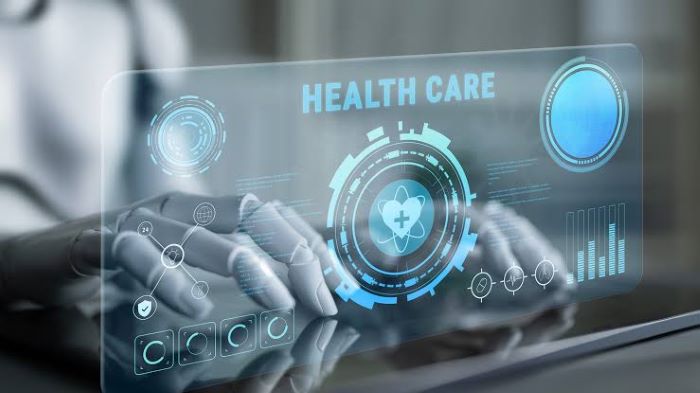
Maternal, Child & Adolescent Reproductive Health (MNCH / SRHR). At Open Health Foundation, we ensure that no woman, child, or adolescent is left behind in access to quality healthcare. 1. Youth-Friendly SRHR & Adolescent Care: We provide a safe, confidential, and non-judgmental space for adolescents and young people. Our services include reproductive health education, menstrual hygiene management, counseling on STIs, contraception, and prevention of teenage pregnancy. We run school outreaches and youth clubs to empower young people with accurate information to make healthy life choices. 2. Maternal & Neonatal Excellence: We deliver comprehensive care for mothers and newborns — from first antenatal visit to safe delivery and postnatal follow-up. This includes routine ANC, ultrasound monitoring, safe delivery by skilled birth attendants, emergency obstetric care (EmOC) for complications, and continuous pediatric monitoring for newborns and children under-5. Our Goal: Reduce maternal and neonatal mortality, end preventable teenage pregnancies, and ensure every girl, mother has access to dignified, quality reproductive healthcare. This directly aligns with SDG 3 (Good Health) and SDG 5 (Gender Equality).

Mental & Emotional Wellness
Mental & Emotional Wellness
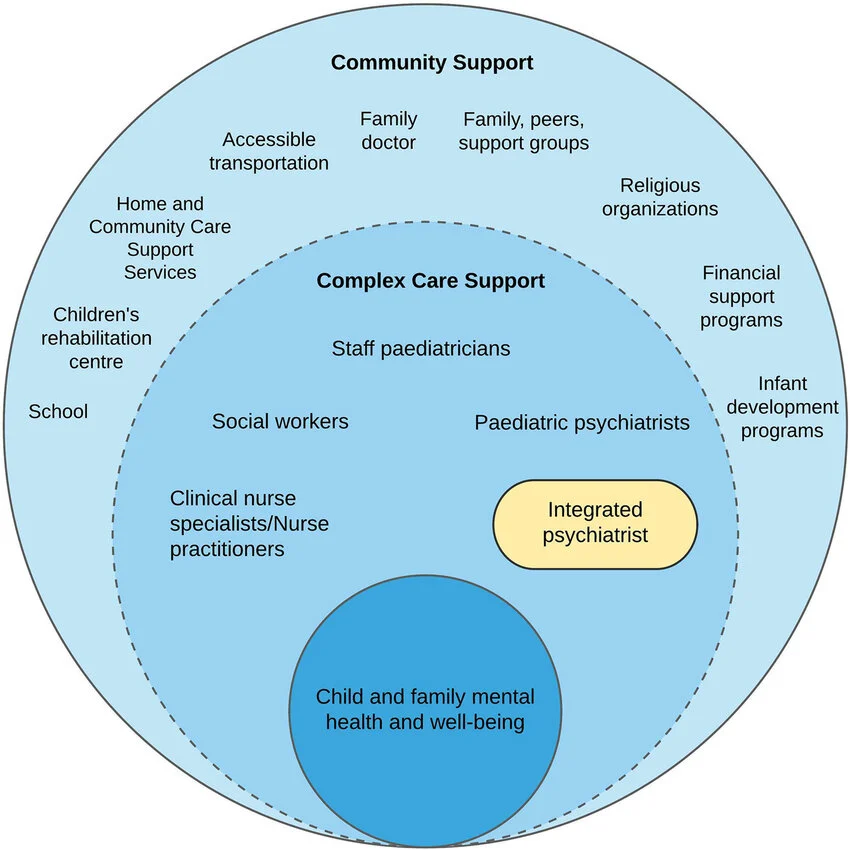
Healing Mind and Body In Nigeria, mental health challenges are rising — driven by economic pressure, postpartum stress, youth anxiety, and health worker burnout — yet services remain largely inaccessible and highly stigmatized. Open Health Foundation is changing this by making mental wellness a core part of primary healthcare, not an afterthought. 1. Integrated Primary Mental Health. We integrate mental health screening and support into everyday clinic visits. Community Counseling: Confidential, low-cost one-on-one and group counseling for depression, anxiety, trauma, and postpartum mood disorders, provided by trained counselors. Stress Relief Workshops: Practical, community-based sessions on stress management, emotional regulation, coping skills, and mindfulness, targeting women, adolescents, and youth. Wellness Programs: Youth wellness clubs, maternal mental health talks during ANC, and school-based emotional intelligence programs to build resilience early. Early Detection: Using simple screening tools (PHQ-2/GAD-2) at triage to identify at-risk patients and link them to care immediately, with all data captured confidentially in our digital records. Impact: Reduces stigma, promotes early help-seeking, and prevents mild distress from becoming severe mental illness. 2. Caregiver & Health Worker Support those who provide care are often the most emotionally burdened. Caregiver Support Groups: Dedicated support circles for mothers of children with chronic illness, caregivers of the elderly, and spouses of patients — offering peer support, counseling, and respite guidance. Health Worker Wellness: A structured burnout prevention program for our nurses, midwives, and CHEWs — including monthly debrief sessions, mental health days, peer support meetings, and access to confidential professional support. Resilience Building: Training on compassion fatigue, work-life balance, and emotional resilience to maintain staff motivation and quality of care. Our Goal: To create a compassionate ecosystem where patients, families, and health workers feel seen, heard, and supported — because a healthy community needs a healthy mind. This aligns with WHO's call for integrating mental health into UHC and SDG 3.4 to promote mental health and well-being.
Hospice Care
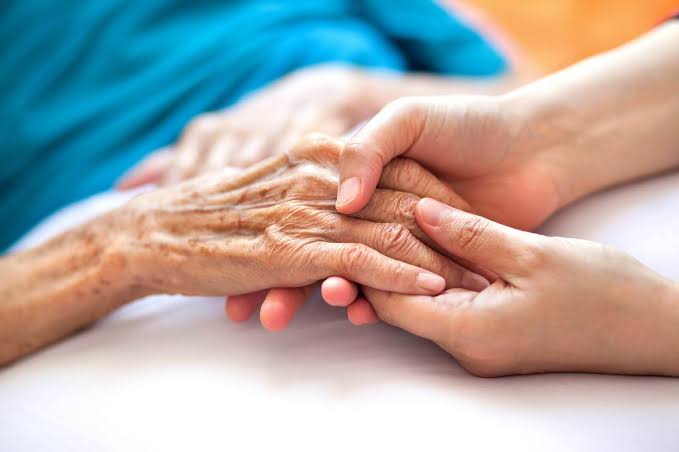
Hospice Care: Dignity, Comfort and Compassion at the End of Life
In many low-income communities, elderly individuals and terminally ill patients suffer in silence — without pain relief, emotional support, or dignified care. Their families, often financially constrained, are left overwhelmed. Open Health Foundation provides compassionate hospice and palliative care that puts dignity first. Focus Area: Our hospice program is dedicated to the most vulnerable: Low-income households unable to afford prolonged hospital care. Elderly individuals living alone or with limited family support. Patients with terminal illnesses including advanced cancer, organ failure, and end-stage chronic diseases. We ensure that no one has to face serious illness or end-of-life alone, in pain, or without support. Execution Strategy: We operate a dual model to reach patients where they need us most:1. Home-Based Palliative Support: Our trained palliative care nurses and community health workers conduct regular home visits to provide pain management, symptom relief, wound care, personal hygiene support, nutritional guidance, and emotional/spiritual counseling for patients and families. This reduces hospital costs and allows patients to remain in the comfort of their homes. 2. Facility-Assisted Support: For patients requiring closer monitoring, our facility provides a calm, dignified space for respite care, advanced pain control, psychosocial support, and family counseling. We also link families to social support and bereavement follow-up. Core Principle: Every intervention prioritizes relief from pain, preservation of dignity, and emotional peace — for the patient and their loved ones. Our Goal: To restore humanity to end-of-life care and ensure that even in the most difficult moments, vulnerable families receive care that is compassionate, affordable, and respectful.
Preventive NCDs & Primary Chronic Care
Preventive NCDs & Primary Chronic Care
Non-Communicable Diseases (NCDs) such as hypertension and diabetes are silently becoming the leading cause of premature death among adults in Nigeria. In low-income communities, most people live with these conditions undiagnosed — presenting only when they have had a stroke, heart failure, diabetic foot, or kidney damage, because routine screening is unaffordable and not accessible. Open Health Foundation is responding with a preventive and continuity-of-care model. 1. Hypertension & Diabetes Screening and Long-Term Management. Mobile Screening Drives: We take screening to where people are — markets, mosques, churches, schools, and motor parks. Our team checks blood pressure, blood sugar, BMI, and cardiovascular risk, and provides immediate health education. Enrollment into Care: Every person diagnosed is enrolled into our NCD register and given a personalized, low-cost management plan. This includes scheduled clinic follow-ups, affordable essential medicines, lifestyle and nutrition counseling, and treatment adherence support through our digital EHR and SMS reminders. Prevention of Complications: Through early detection and consistent management, we prevent costly complications, reduce hospital admissions, and save lives. High-risk patients are linked to specialist care when needed. This model shifts care from crisis response to prevention and long-term control. 2. Family Medicine & General Surgery. As a comprehensive primary care center, we serve as the first and trusted point of care for families: Family Medicine: Daily outpatient consultations for all age groups, preventive check-ups, health education, and family-centered continuity of care. Emergency Services: 24-hour emergency triage, stabilization, and observation for accidents, acute medical conditions, asthma attacks, and obstetric emergencies — critical in a community with limited emergency access. Operating Theaters: Our facility is equipped with functional operating theaters providing safe, affordable essential surgeries. These include emergency C-sections, hernia repairs, appendectomies, and other minor and major procedures performed by qualified doctors under safe anesthesia. Our Goal: To reduce premature deaths from NCDs through proactive screening and affordable lifelong care, while ensuring families have access to quality, emergency, and surgical care without financial catastrophe. This directly contributes to SDG 3.4 — reducing premature mortality from NCDs by one third — and SDG 3.8 — achieving Universal Health Coverage.

Antimicrobial Stewardship, Climate Resilience & Planetary Health
Antimicrobial Stewardship, Climate Resilience & Planetary Health
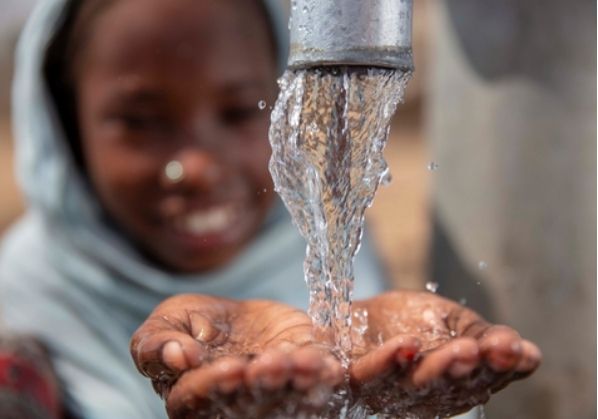
Nigeria faces a dual threat: rising antimicrobial resistance (AMR) due to irrational antibiotic use, and a climate crisis that disrupts health systems through flooding, heatwaves, power outages, and waterborne disease outbreaks. At Open Health Foundation, we recognize that human health cannot be separated from environmental health. Our program integrates responsible medicine use, climate-smart health infrastructure, and preventive WASH solutions. 1. Antimicrobial Stewardship (AMS)Unregulated access to antibiotics and self-medication is accelerating drug resistance in our communities. We enforce rational prescribing protocols within our facility through clinical guidelines, staff training, and prescription audits. We run community sensitization campaigns to educate patients and patent medicine vendors on the dangers of antibiotic misuse and the importance of completing prescriptions. Through our diagnostic capacity (including rapid tests), we reduce unnecessary antibiotic use and ensure treatment is evidence-based.Goal: To preserve the effectiveness of life-saving antibiotics and reduce drug-resistant infections among low-income families. 2. Climate-Smart Health System Integration. Frequent power outages and extreme weather threaten vaccine potency, service delivery, and safety. Solar-Powered Cold-Chain Storage: We operate a solar-powered cold-chain system to ensure continuous refrigeration of vaccines, insulin, blood products, and lab reagents, even during grid failures and fuel scarcity. This guarantees vaccine efficacy and reduces our carbon footprint. Sustainable Medical Waste Management: We implement safe segregation, solar-powered autoclaving, and eco-friendly disposal of infectious and sharps waste to protect staff, patients, and the surrounding community from contamination and climate-related health hazards. We also minimize single-use plastics where safe. Goal: To build a low-carbon, resilient health facility that remains operational during climate shocks. 3. Clean Water, Sanitation & Hygiene (WASH) Interventions. Unsafe water is a major driver of diarrheal disease, cholera, and maternal infections. Community WASH Initiatives: We lead community sensitization on hand hygiene, safe water storage, and sanitation, alongside distribution of hygiene kits in schools and primary health outreaches. Water Testing & Safety: Our Environmental Health team conducts routine bacteriological testing of community water sources (wells, boreholes) and provides household water treatment guidance to prevent waterborne outbreaks. Our Integrated Goal: To create a climate-resilient, environmentally responsible health system that protects patients from both drug-resistant infections and climate-related health threats — advancing One Health, planetary health, and SDG 3, 6, 12, and 13.
Ready to Make a Difference?
Join us in spreading care, kindness, and hope through our programs.